

Your kitchen cabinets go through daily wear. Steam from cooking, oil splashes, fingerprints, and dust slowly build up until the surfaces start looking dull and aged. The good news is that you do not need expensive products or complicated routines to keep them looking fresh. Learning how to clean kitchen cabinets the right way can significantly extend their lifespan and maintain the overall appeal of your kitchen.
A clean cabinet surface does more than look good. It protects finishes, prevents long-term staining, and keeps your cooking space hygienic. Whether you have matte surfaces, glossy finishes, or wood textures, the key is using the correct methods consistently instead of occasional deep cleaning.
In this guide, you will learn practical cleaning steps, maintenance tips, and smart habits that help your cabinets stay beautiful year after year.
How to Clean Kitchen Cabinets Daily for Long-Term Results
Understanding how to clean kitchen cabinets starts with creating a simple daily routine. Daily care prevents grease and dust from building up later on.
Start by using a soft microfiber cloth slightly dampened with warm water. Wipe cabinet doors gently to remove fresh fingerprints or food splatters. Avoid soaking the surface because excessive moisture can damage certain finishes or seep into edges.
For quick daily cleaning
- Use a dry microfiber cloth for dust removal
- Wipe spills immediately to prevent staining
- Avoid abrasive sponges or rough scrubbers
- Dry the surface after wiping
These small habits reduce the need for aggressive cleaning in the future. If your cooking area gets oily quickly, a light wipe at the end of the day can make a big difference.
Regular cleaning also helps maintain the visual harmony between your cabinets and other elements like your kitchen, making the entire space feel brighter and more organized.
How to Clean Kitchen Cabinets with Grease and Sticky Residue
Grease is one of the biggest challenges when learning how to clean kitchen cabinets, especially around stoves and cooking zones. Over time, oil particles settle on cabinet surfaces and attract dust, creating a sticky layer.
For greasy areas, mix warm water with a few drops of mild dish soap. Dip a soft cloth into the solution and wring it well before wiping the surface. Always clean gently using circular motions instead of scrubbing aggressively.
If the buildup is stubborn
- Let the soapy water sit on the surface for about one minute
- Wipe softly to loosen grease
- Rinse using a clean, damp cloth
- Dry immediately with a soft towel
Avoid strong chemical cleaners unless the manufacturer specifically allows them. Harsh chemicals can strip protective finishes and cause discoloration.
Cabinets near your kitchen counter often need more frequent attention because cooking activity is concentrated in that area.
How to Clean Kitchen Cabinets Based on Material Type
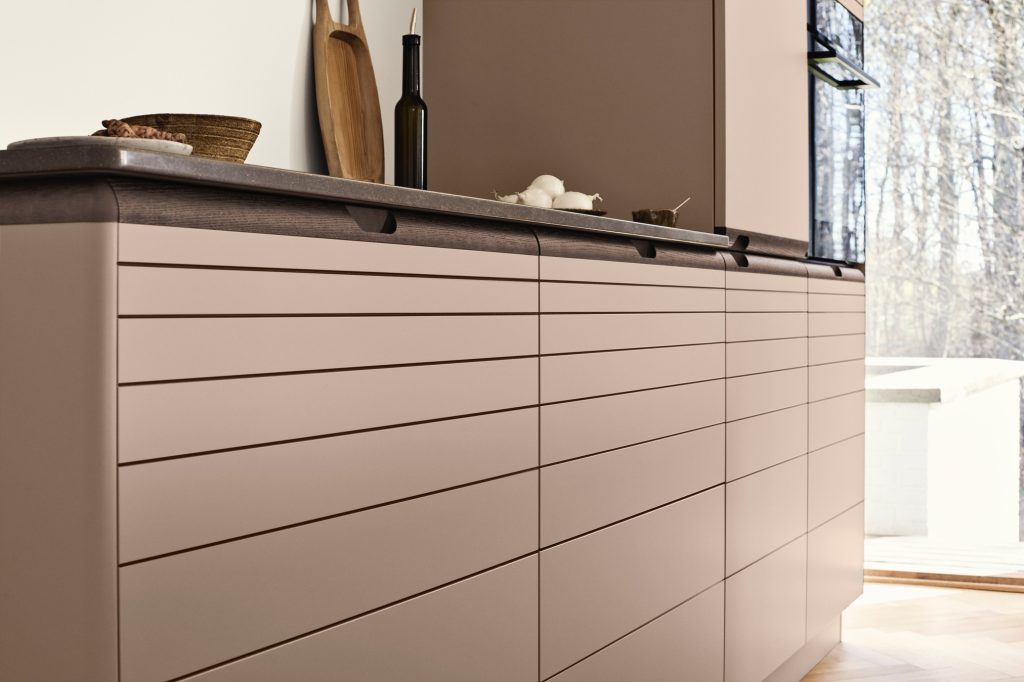
Not all cabinets react the same way to cleaning methods. Knowing how to clean kitchen cabinets based on the material helps prevent accidental damage.
Painted or Laminated Cabinets
These are usually easy to maintain. Use mild soap and warm water, then wipe dry. Avoid abrasive cleaners that can scratch the surface.
Wood or Veneer Cabinets
Wood requires gentler handling. Use a slightly damp cloth and immediately dry afterward. Too much moisture can cause swelling or warping over time.
Glossy or High-Shine Finishes
Glossy cabinets show fingerprints more easily but are simple to clean. Use a soft cloth and avoid paper towels, which may create tiny scratches.
Maintaining material-specific care also keeps your cabinetry aligned with your overall kitchen cabinet design and finish quality.
How to Clean Kitchen Cabinets Without Damaging Hardware
Handles and hinges often collect dirt but are easily overlooked when discussing how to clean kitchen cabinets. Cleaning these parts improves appearance and prevents long-term corrosion.
Use a soft cloth with a mild soap solution to wipe handles gently. For metal hardware, dry thoroughly after cleaning to avoid water spots.
Maintenance tips for hardware:
- Tighten loose screws periodically
- Avoid spraying cleaner directly onto handles
- Clean around edges where grease accumulates
- Dry metal parts immediately
A well-maintained cabinet is not only about surface cleaning but also ensuring all components remain functional and attractive.
How to Clean Kitchen Cabinets While Preventing Future Stains
The smartest approach to how to clean kitchen cabinets involves prevention. Reducing exposure to grease, moisture, and stains minimizes cleaning effort.
Simple habits that help include
- Turn on the range hood while cooking
- Wipe steam or water splashes quickly
- Use splatter guards when frying
- Place commonly used items within easy reach to reduce touching surfaces with oily hands
Layout planning also plays a role. Many kitchen design ideas today focus on easy-clean layouts that reduce unnecessary clutter and hard-to-reach corners.
When your kitchen is designed with maintenance in mind, keeping cabinets clean becomes far easier.
How to Clean Kitchen Cabinets as Part of a Weekly Deep Clean
Even with daily care, deeper cleaning is needed. A weekly routine ensures your efforts stay effective and prevents gradual grime buildup.
During weekly cleaning
- Empty one section at a time
- Wipe interior shelves using mild soap and water
- Vacuum crumbs or dust before wiping
- Clean door edges and corners carefully
- Dry all surfaces before placing items back
This method keeps storage areas hygienic and prevents odors from forming. It also gives you a chance to check for moisture issues or early signs of wear.
How to Clean Kitchen Cabinets and Maintain Color and Finish
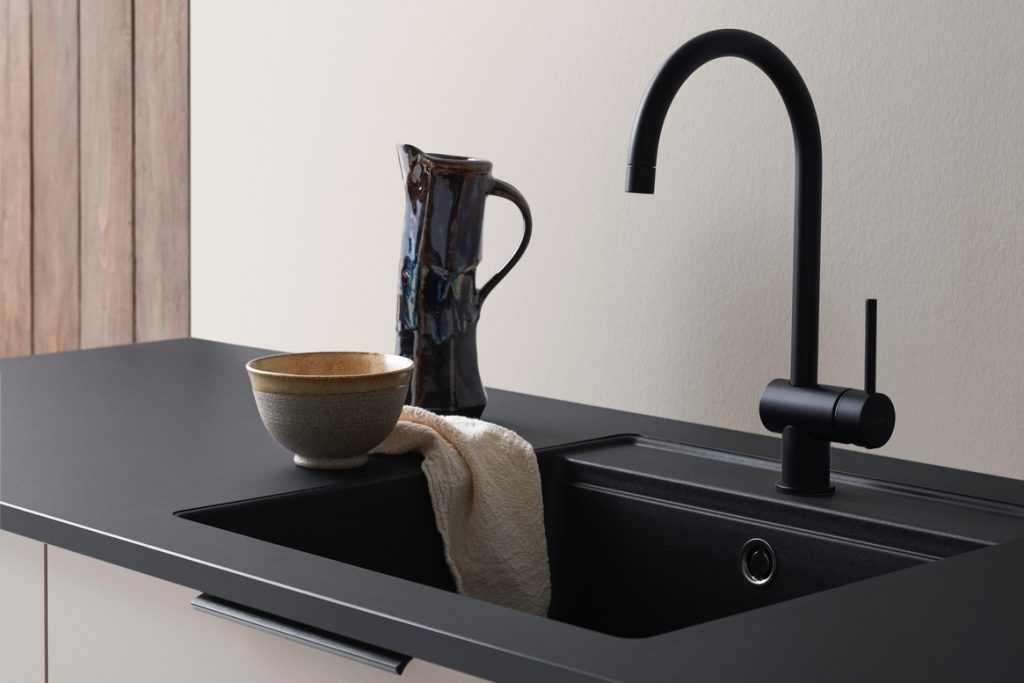
Cabinet color can fade or lose its vibrancy if improperly maintained. Part of learning how to clean kitchen cabinets is understanding how to protect finishes over time.
Avoid direct sunlight when possible, as prolonged exposure can cause discoloration. Using curtains or UV-filtering window films can help protect cabinetry.
Also consider
- Avoid wax-based products unless recommended
- Use gentle cleaners instead of harsh chemicals
- Always test new products on a hidden area first
- Dry surfaces thoroughly to prevent water marks
Matching cabinets with durable surfaces and thoughtful kitchen countertop colors can also reduce the visibility of everyday marks and smudges.
How to Clean Kitchen Cabinets and Keep Maintenance Effortless
Knowing how to clean kitchen cabinets is really about consistency, not complexity. Daily wiping, gentle cleaning products, and regular deep cleaning all work together to preserve cabinet quality and appearance. When you combine proper care with preventative habits, your cabinets can continue looking new for many years.
Just as important as cleaning technique is choosing the right materials from the start. Easy-care, stain-resistant surfaces help ensure effortless cleaning and low maintenance in everyday use. Selecting durable finishes reduces stress, saves time, and keeps your kitchen visually appealing with minimal effort.
When you choose well-designed, high-quality kitchen products built for daily living, maintenance becomes simple and practical. Kvik’s products are designed with durability in mind and come with a warranty for added peace of mind, helping you enjoy a beautiful kitchen with confidence long into the future.