

Designing a sustainable home starts in the heart of the house. Today, homeowners are looking beyond aesthetics and focusing on materials that reduce environmental impact while improving indoor health. One of the most important elements in any renovation is the countertop. Choosing eco-friendly kitchen countertops is a meaningful step toward lowering your carbon footprint and creating a healthier living environment.
Kitchen counters are used daily for cooking, dining, and gathering. The materials you select influence durability, maintenance, and sustainability. In this guide, you will discover the best eco-friendly kitchen countertops, their benefits, and how to integrate them into a beautiful and functional space.
Why Eco-Friendly Kitchen Countertops Matter in Sustainable Renovations
When planning a renovation, eco-friendly kitchen countertops should be a top priority. Countertops cover a large surface area and often require significant resources to manufacture.
Here is why your choice matters:
- Resource consumption: Some materials involve heavy mining or energy-intensive production.
- Indoor air quality: Low-quality surfaces may release volatile organic compounds.
- Longevity: Durable countertops reduce replacement frequency.
- Recyclability: Sustainable options can often be reused or repurposed.
A well-designed kitchen balances beauty with responsibility. Whether upgrading a surface or planning a full remodel, eco-friendly kitchen countertops are a smart long-term investment.
Recycled Quartz as Eco-Friendly Kitchen Countertops
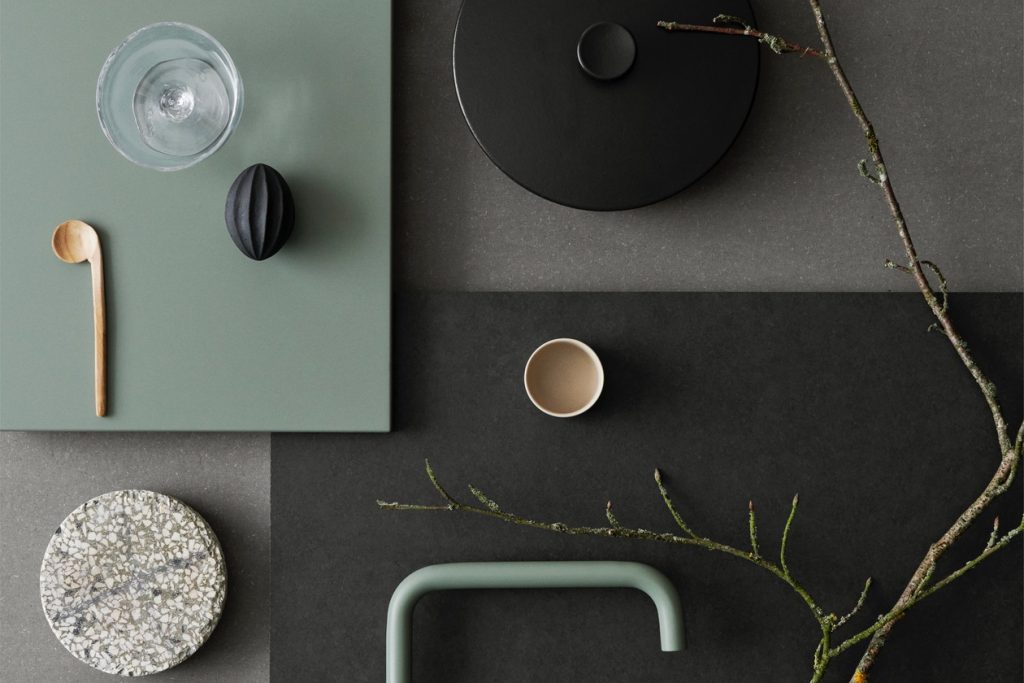
Recycled quartz is one of the most durable, eco-friendly kitchen countertops available. Unlike conventional quartz, recycled versions incorporate post-consumer materials such as reclaimed glass or industrial by-products.
Benefits of Recycled Quartz
- Extremely durable and scratch-resistant
- Low maintenance
- Long lifespan
- Reduces landfill waste
These surfaces offer a sleek, modern appearance that complements quality kitchen cabinet designs and other eco-friendly kitchen products such as energy-efficient appliances and water-saving fixtures.
If you are designing a contemporary space, recycled quartz pairs beautifully with trending kitchen countertop colors that focus on neutral and earthy tones.
Bamboo Eco-Friendly Kitchen Countertops for a Renewable Style
Bamboo is one of the most renewable materials used for eco-friendly kitchen countertops. It grows rapidly and regenerates naturally, making it an excellent sustainable resource.
Why Choose Bamboo
- Rapidly renewable
- Lightweight yet strong
- Warm and natural appearance
- Biodegradable
Bamboo works particularly well in a modern kitchen with clean lines and light finishes. Its subtle grain adds warmth without overpowering the space.
Proper sealing is important to protect against moisture and stains. With correct maintenance, bamboo eco-friendly kitchen countertops can last for many years.
Reclaimed Wood Eco-Friendly Kitchen Countertops for Character
Reclaimed wood offers a rustic and authentic look while reducing demand for newly harvested timber. As eco-friendly kitchen countertops, reclaimed wood surfaces prevent usable materials from ending up in landfills.
Advantages of Reclaimed Wood
- Reduces deforestation
- Unique grain and texture
- Adds warmth and personality
- Supports circular economy principles
Keep in mind that wood requires periodic sealing and oiling. Proper care ensures durability and food safety.
Recycled Glass Eco-Friendly Kitchen Countertops for Modern Appeal
Recycled glass surfaces are created by embedding crushed glass in cement or resin. The result is a striking and customizable option for eco-friendly kitchen countertops.
Benefits of Recycled Glass
- Diverts glass waste from landfills
- Highly customizable appearance
- Heat and stain-resistant
- Non-porous options available
These countertops can serve as a bold focal point, especially when integrated into a carefully planned kitchen plan. In open layouts, recycled glass works beautifully as an island surface that reflects light and adds personality.
Eco-Friendly Kitchen Countertops for Industrial Spaces
Concrete can also function as eco-friendly kitchen countertops when made with recycled aggregates and low-carbon cement alternatives.
Advantages of Sustainable Concrete
- Highly durable
- Customizable shapes and finishes
- Long-lasting performance
- Ideal for industrial-inspired interiors
Concrete fits seamlessly into minimalist spaces and complements a streamlined kitchen counter layout. Sealing is necessary to prevent moisture absorption and staining. With proper care, concrete surfaces can last decades.
Natural Stone as Long-Lasting Eco-Friendly Kitchen Countertops
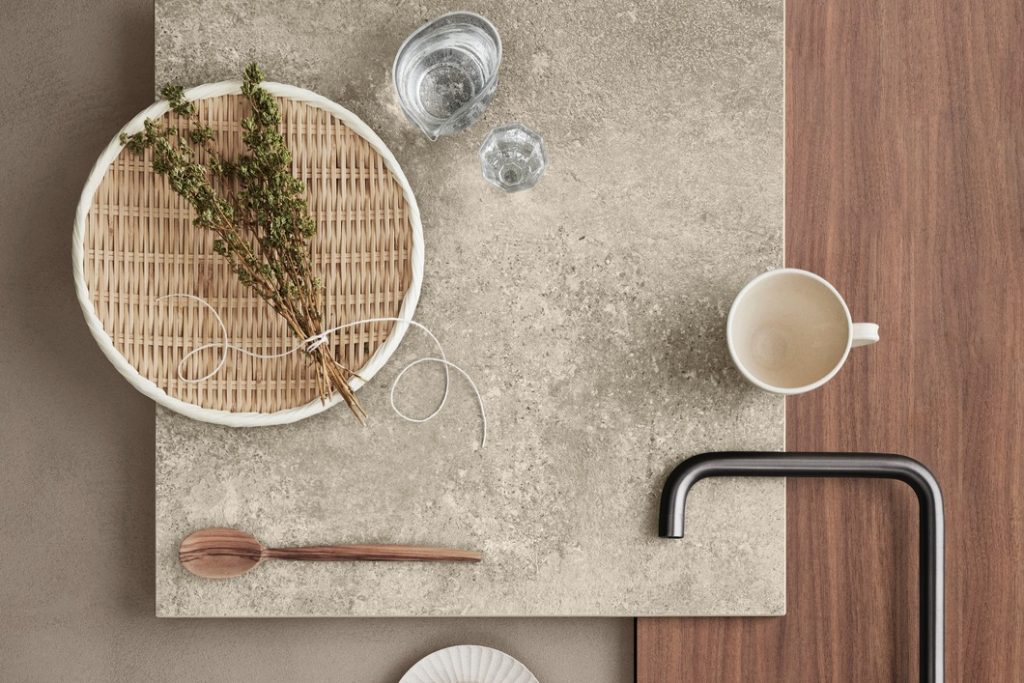
Natural stone, such as granite or soapstone, can qualify as eco-friendly kitchen countertops when responsibly sourced and locally quarried.
What Makes Natural Stone Sustainable
- Extremely long lifespan
- Minimal processing compared to synthetic options
- Timeless aesthetic
- Potential for reuse or repurposing
While mining has environmental impacts, durability plays a crucial role in sustainability. Materials that last for decades reduce overall resource consumption.
Incorporating natural stone into a broader eco-friendly kitchen ensures harmony between materials, layout, and environmental goals.
Comparing Popular Eco-Friendly Kitchen Countertops
To simplify your decision, here is a quick overview
| Material | Sustainability Level | Maintenance | Style Fit |
| Recycled Quartz | High | Low | Modern |
| Bamboo | Very High | Moderate | Natural |
| Reclaimed Wood | Very High | Moderate | Rustic |
| Recycled Glass | High | Low | Contemporary |
| Concrete | Moderate to High | Moderate | Industrial |
| Natural Stone | Moderate | Low to Moderate | Classic |
Your ideal eco-friendly kitchen countertops will depend on lifestyle, budget, and overall design preferences.
Tips for Choosing Eco-Friendly Kitchen Countertops
When selecting eco-friendly kitchen countertops, consider these practical guidelines:
- Prioritize durability to reduce long-term waste
- Check for environmental certifications and recycled content
- Evaluate maintenance requirements
- Ensure compatibility with cabinetry and eco-friendly kitchen products
- Think long-term about both environmental and financial impact
A sustainable renovation involves more than one material. Pair your countertops with energy-efficient lighting, water-saving faucets, and responsibly sourced cabinetry to maximize results.
Integrating Eco-Friendly Kitchen Countertops into Your Design
The success of eco-friendly kitchen countertops depends on thoughtful integration into the overall layout.
Consider these design strategies:
- Pair light bamboo with minimalist cabinets for an airy atmosphere
- Use recycled glass as a statement island centerpiece
- Combine reclaimed wood with neutral tones for warmth
- Coordinate textures with complementary eco-friendly kitchen products
A well-planned space ensures sustainability enhances aesthetics rather than limiting creativity.
Investing in Eco-Friendly Kitchen Countertops for Lasting Impact
Selecting eco-friendly kitchen countertops is one of the most effective ways to support sustainable renovations. From recycled quartz and bamboo to reclaimed wood, glass, concrete, and responsibly sourced stone, there are numerous environmentally conscious options available.
By prioritizing durability, recycled content, and responsible sourcing, homeowners can significantly reduce their renovation footprint. When combined with smart planning, quality cabinetry, and eco-friendly kitchen products, eco-friendly kitchen countertops help create a space that is functional, stylish, and environmentally responsible. Ultimately, eco-friendly kitchen countertops represent more than a design choice. They reflect a commitment to healthier living, long-term value, and sustainable home improvement. With careful selection and thoughtful integration, your renovation can deliver beauty and performance for many years to come.