

Choosing the right appliances is one of the most important decisions in kitchen design. Appliances affect not only how your space looks, but also how efficiently it works every day. As homeowners increasingly focus on clean lines, smart layouts, and long-term value, the debate around built-in vs freestanding appliance models has become more relevant than ever.
Modern homes demand kitchens that balance style, performance, and flexibility. Built-in kitchen appliances are often associated with sleek design and seamless integration, while freestanding options are valued for their affordability and versatility. Understanding the differences helps you make a choice that fits your lifestyle, budget, and design goals. In this guide, we explore built-in vs freestanding appliances solutions in depth, with a strong focus on why built-in appliances are increasingly favored in modern kitchens.
Definition & Differences of Built-in vs Freestanding Appliances
Before comparing features, it is important to define what each category means in practical terms.
Built-in appliances are designed to be installed directly into cabinetry or walls. They align flush with surrounding surfaces, creating a cohesive and integrated appearance. Common examples include built-in ovens, dishwashers, refrigerators, and microwaves.
Freestanding appliances are standalone units with finished sides. They can be placed almost anywhere with the proper connections and are usually easier to replace or reposition.
The core distinction in built-in vs freestanding appliances lies in integration versus flexibility. Built-in kitchen appliances prioritize design harmony and long-term kitchen planning, while freestanding appliances emphasize convenience and portability.
Understanding the Differences: Built-in vs Freestanding Appliances at a glance
The table below highlights key differences to help you quickly compare built-in vs freestanding appliance options.
| Feature | Built-In Appliances | Freestanding Appliances |
| Design | Seamless, integrated into cabinetry | Visible, standalone design |
| Space efficiency | Maximizes layout and flow | Requires more open space |
| Customization | High, matches cabinetry and layout | Limited to appliance design |
| Installation | Professional installation required | Simple installation |
| Long-term value | Adds to overall kitchen value | Easier to replace |
| Flexibility | Fixed once installed | Easy to move or upgrade |
This side-by-side comparison shows why built-in kitchen appliances are often chosen for homeowners prioritizing aesthetics and long-term functionality.
Pros and Cons of Built-in Kitchen Appliances
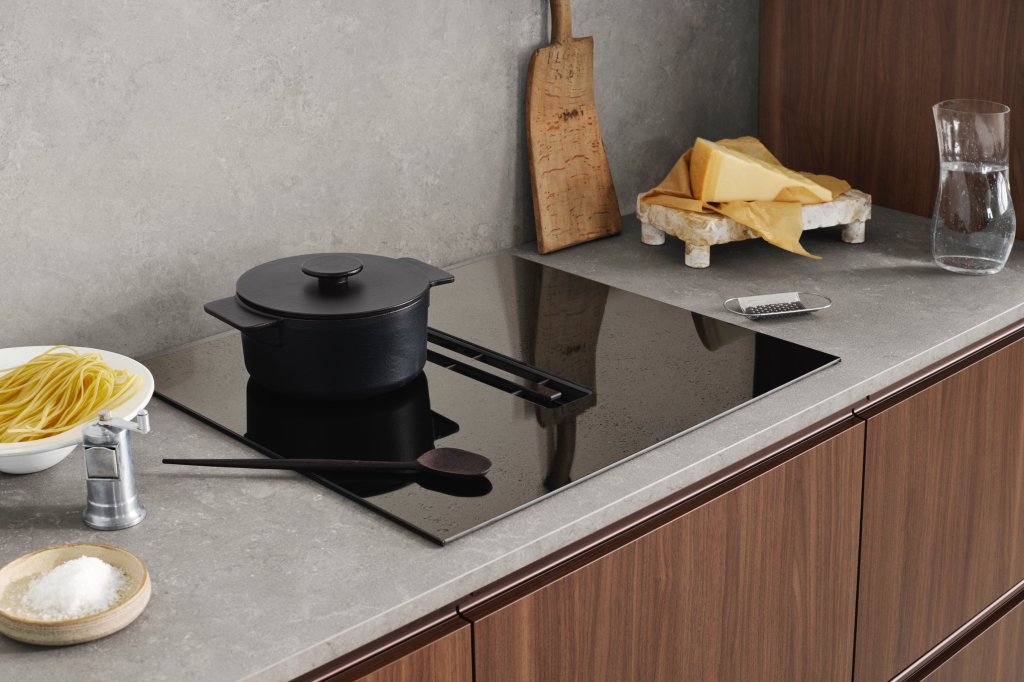
Built-in appliances are a defining feature of many high-end and modern kitchen designs. Understanding their strengths and limitations is essential when weighing built-in vs freestanding appliances options.
Advantages of built-in appliances
- Clean, cohesive appearance that enhances the overall kitchen design
- Better use of space, especially in compact or custom layouts
- Increased property value due to premium look and feel
- Easier workflow when appliances are placed at ergonomic heights
- Seamless integration with a well-planned kitchen cabinet system
Potential drawbacks
- Higher upfront cost compared to freestanding models
- Less flexibility to change the layout after installation
- Professional installation is usually required
Despite these considerations, built-in kitchen appliances remain the preferred choice for homeowners who value long-term design consistency and a refined cooking environment.
Pros and Cons of Freestanding Kitchen Appliances
Freestanding appliances continue to be popular, especially in rental homes or kitchens that require flexibility.
Advantages of freestanding appliances
- Lower initial cost
- Easy to replace or upgrade individually
- Simple installation and removal
- Suitable for temporary or evolving spaces
Limitations
- Less cohesive visual appearance
- Can disrupt the flow of a modern kitchen design
- May not optimize available space
- Often lacks the premium feel of built-in appliances
When comparing built-in vs freestanding appliances, freestanding models are best for short-term solutions, while built-in appliances support long-term planning.
How to Choose Based on Your Needs in Built-in vs Freestanding Appliances
The right choice depends on how you use your kitchen and what you expect from it over time.
If you are designing a new home or renovating for the long term, built-in kitchen appliances provide a polished look that integrates beautifully into the overall kitchen design. They work particularly well in open-plan homes where the kitchen is visible from the living and dining areas.
Built-in appliances are ideal if you want a clean, modern kitchen with a seamless look. They suit homeowners planning to stay long term, who value smart use of space, ergonomic layouts, and a premium finish that feels considered and timeless.
Freestanding appliances are a good fit if you rent, expect to move, or need flexibility. They are easier to replace, simpler to adapt, and often more budget-friendly while still delivering reliable performance.
In most modern homes, the built-in vs freestanding appliances decision leans toward built-in solutions due to their design and functional advantages.
Breakdown by Appliance Type
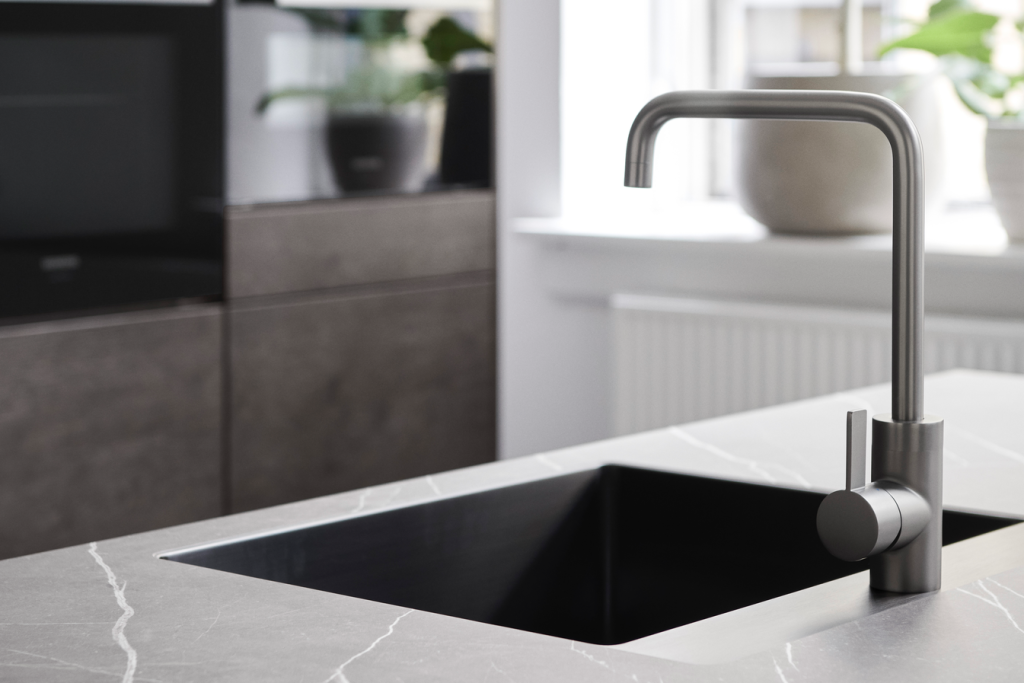
Different appliances benefit differently from being built in or freestanding. Below is a practical breakdown.
Ovens and microwaves
Built-in ovens are often installed at eye level, improving comfort and safety. This is a clear win in the built-in vs freestanding appliances comparison, especially for daily cooking.
Refrigerators
Built-in refrigerators can be fully integrated behind cabinetry panels, creating a uniform look. While freestanding refrigerators offer more variety in sizes, built-in options elevate the visual appeal of a modern kitchen design.
Dishwashers
Built-in dishwashers blend seamlessly behind cabinet fronts, maintaining clean lines. They are almost always preferred over freestanding models.
Cooktops and ranges
Built-in cooktops allow flexible placement and pair well with wall ovens. Freestanding ranges are practical but visually dominant.
Washing machines and specialty appliances
In open plan kitchens, built-in solutions help conceal functional appliances, contributing to a calmer space that is easier to maintain a kitchen over time.
Built-in vs Freestanding Appliances in Modern Kitchens
The choice between built-in vs freestanding appliance models ultimately comes down to long-term vision. Built-in kitchen appliances deliver a refined, cohesive look that supports modern living, maximizes space, and adds lasting value to your home. While freestanding appliances offer flexibility and affordability, they often fall short in design integration and flow.
For homeowners investing in a modern kitchen, built-in appliances are the clear choice. They align with contemporary design trends, support efficient layouts, and create a kitchen that feels intentional and timeless. By understanding the differences and evaluating your needs, you can confidently choose the solution that transforms your kitchen into a space you will enjoy for years to come.