

A modern kitchen is more than just a place to prepare meals, it’s the heart of the home, where design meets functionality and sustainability. With growing awareness about environmental impact, many homeowners are seeking eco-friendly kitchen design solutions that not only look stylish but also reduce waste and stand the test of time. By carefully selecting cabinets, countertops, and materials, it’s possible to create a kitchen that is both beautiful and environmentally responsible.
In this article, we’ll explore the principles of eco-friendly kitchen design, from durable cabinetry choices to sustainable counters and innovative materials that combine longevity with timeless aesthetics.
Kitchen Design with Sustainability in Mind
Eco-friendly kitchen design begins with thoughtful planning. The goal is to create a space that balances style, function, and sustainability. This means prioritizing long-lasting materials, reducing the need for frequent replacements, and choosing suppliers who follow responsible manufacturing practices.
A sustainable kitchen design also considers energy-efficient layouts, maximizing natural light, and integrating appliances that lower energy consumption. By focusing on these elements, homeowners can reduce their environmental footprint while enjoying a space that feels modern, practical, and timeless.
Cabinets in Kitchen Design: Built to Last
Cabinets are one of the largest visual and functional components of any kitchen design, and they have a major influence on both style and sustainability. Choosing eco-friendly cabinets means opting for materials that are responsibly sourced and engineered for durability.
Solid wood, certified by organizations like the Forest Stewardship Council (FSC), is a popular option for sustainable kitchen design. Engineered wood products, such as plywood and MDF, can also be eco-conscious if they are made using low-emission adhesives. A high-quality finish not only protects the surface but also extends the cabinet’s lifespan, reducing the need for replacements.
Equally important is modularity. A modular cabinet system allows for flexibility in layout and easy replacement of individual units, which minimizes waste while maintaining a fresh look over time. Brands specializing in Scandinavian-inspired kitchen collections, like Kvik’s kitchen design collections, focus on sustainability without compromising on elegance.
Countertops in Kitchen Design: Durable and Sustainable Surfaces
Countertops are the workhorses of any kitchen design, taking daily wear from chopping, cooking, and cleaning. Choosing the right surface can make a big difference in terms of both aesthetics and longevity.
Natural stone, such as granite or quartz, is highly durable, though it comes with a significant environmental footprint due to extraction. Alternatives like recycled glass or composite materials offer an equally stylish but more eco-friendly solution. Bamboo and reclaimed wood countertops also add warmth and character, aligning perfectly with sustainable kitchen design principles.
The key is selecting surfaces that withstand daily use without frequent replacement. Low-maintenance options that resist stains, scratches, and heat ensure that countertops remain in excellent condition for years, reducing waste and unnecessary renovation.
Materials That Define a Sustainable Kitchen Design
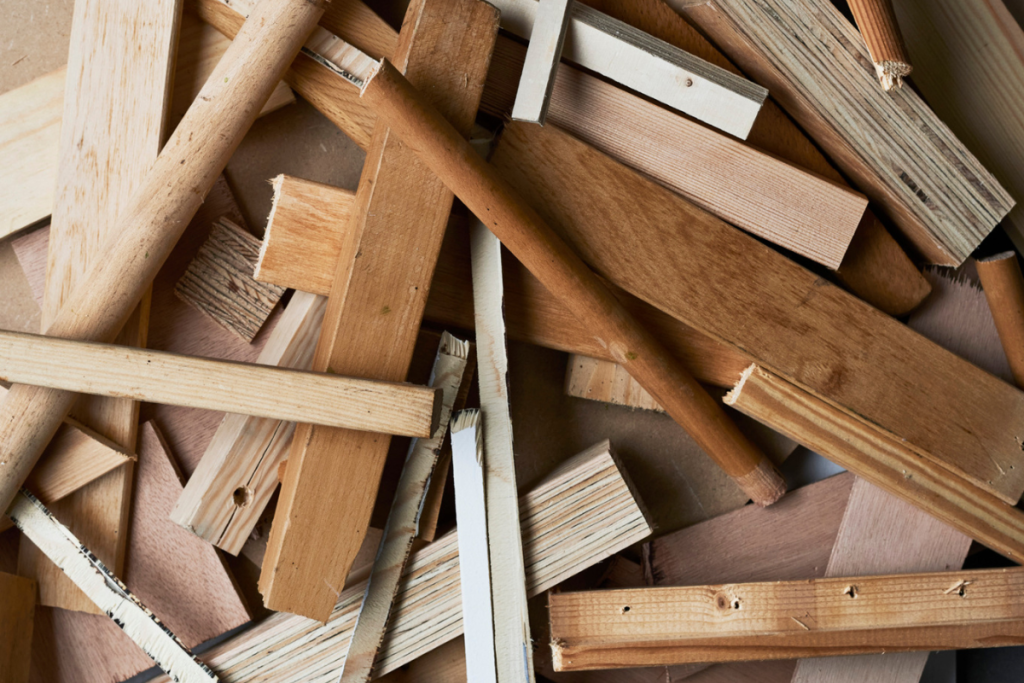
Beyond kitchen cabinets and countertops, the choice of materials defines the character of a kitchen design. Eco-conscious homeowners now have more options than ever, with innovative solutions that blend design with responsibility.
Recycled metal, reclaimed wood, bamboo, and even concrete are making their way into modern kitchens. These materials not only reduce reliance on virgin resources but also bring unique textures and finishes that elevate the overall aesthetic. Paints, finishes, and sealants should also be considered. Low-VOC (volatile organic compounds) coatings improve indoor air quality and ensure that a sustainable kitchen design doesn’t come at the expense of a healthy living space.
Kitchen Design and Energy Efficiency
An eco-friendly kitchen design goes beyond materials, it also integrates energy efficiency into the layout and appliances. Strategic placement of work areas reduces wasted movement, while maximizing natural light minimizes the need for artificial lighting during the day.
Energy-efficient LED lighting, induction cooktops, and appliances with top-tier energy ratings significantly lower electricity use. Water-saving faucets and dishwashers further reduce environmental impact, making the kitchen not only stylish but also sustainable in daily use.
By combining durable materials with efficient technologies, homeowners create a kitchen design that reflects both modern taste and environmental awareness.
The Role of Timeless Aesthetics in Kitchen Design
A truly sustainable kitchen design doesn’t chase short-lived trends. Instead, it embraces timeless aesthetics that remain appealing for decades. Neutral tones, clean lines, and natural textures ensure that the space won’t feel outdated quickly, reducing the urge for premature renovations.
By investing in a classic yet modern kitchen design, homeowners can enjoy long-term satisfaction while minimizing waste and cost over time. This approach ensures that eco-friendliness is not only about the environment but also about lasting personal value.
Choosing the Right Partner for Kitchen Design
Selecting the right supplier or brand is essential when pursuing eco-friendly kitchen design. Companies that prioritize sustainability, such as Kvik’s kitchen collections, offer solutions that combine Scandinavian style, functional layouts, and responsible material choices.
A reliable partner will provide durable products, transparent sourcing information, and designs that make the most of both space and resources. For homeowners, this means peace of mind knowing their kitchen investment is both stylish and sustainable.
Eco-Friendly Kitchen Design That Lasts
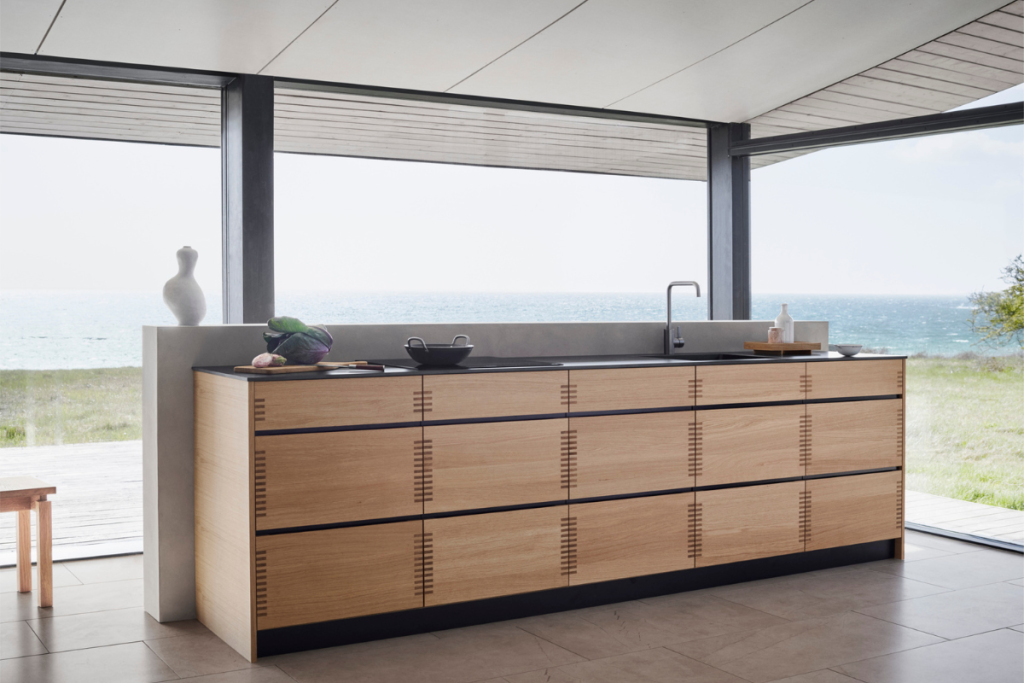
Eco-friendly kitchen design is about more than looks, it’s about creating a space that balances durability, beauty, and sustainability. By choosing cabinets, countertops, and materials that last, homeowners reduce waste, minimize environmental impact, and enjoy a timelessly elegant kitchen.
Whether it’s modular cabinetry, recycled surfaces, or energy-efficient layouts, the choices we make today shape the kitchens of tomorrow. With the right planning and responsible partners like Kvik, every home can have a kitchen design that stands out for both style and sustainability.