

A great kitchen begins with choices that blend durability, style, and function. Among all the design decisions a homeowner makes, selecting the right kitchen countertop is one of the most important. It influences how your kitchen looks, how long it lasts, and how easy it is to maintain. Whether you are redesigning your entire kitchen or upgrading a few key elements, such as your kitchen cabinets, understanding countertop materials helps you create a space that performs well every day. This guide explores the most popular options available and what makes each kitchen countertop material unique.
As lifestyles change and kitchens evolve into social hubs, countertops must handle more than just meal preparation. They need to match design preferences, support food-safe use, resist stains, and stay visually appealing. By learning about different surface materials, you are better equipped to choose a kitchen countertop that aligns with your needs, budget, and long-term expectations.
Understanding Natural Stone Kitchen Countertop Options
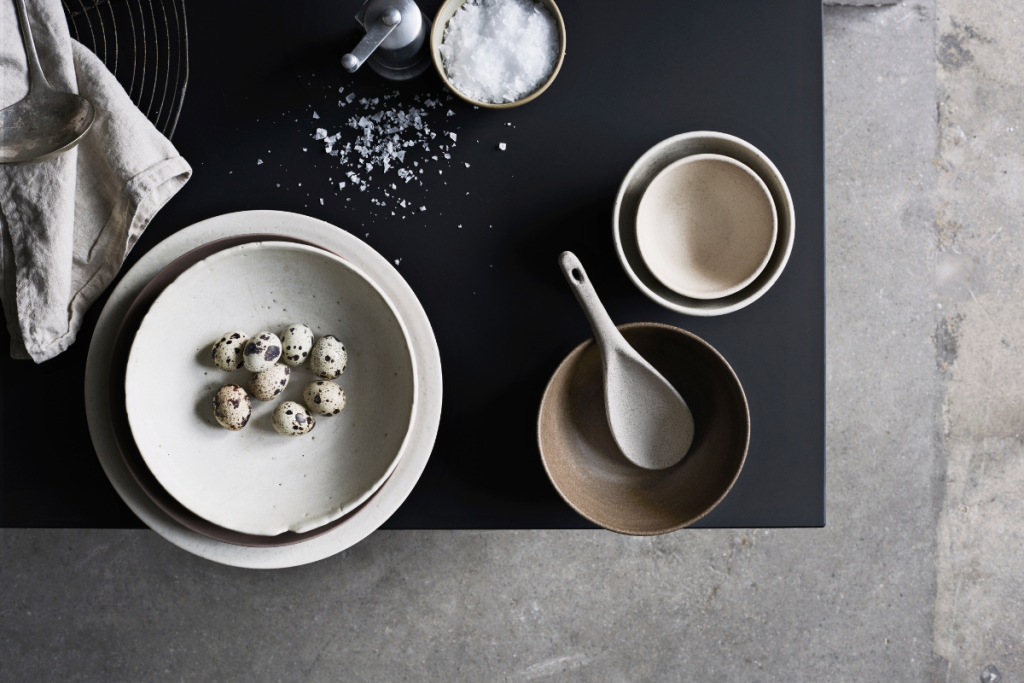
Natural stone continues to be one of the most popular choices for homeowners seeking a timeless and elegant kitchen countertop. These materials offer natural color variations, unique patterns, and impressive durability. Granite is often appreciated for its strength and ability to resist heat, making it suitable for modern lifestyles. Many homeowners value its wide range of natural colours that complement various design styles, from minimalist Danish kitchens to traditional family homes. If you want something more visually dramatic, marble offers a smooth and luxurious look, although it requires more maintenance to preserve its finish. For this reason, users who want a statement piece often select marble while being mindful of its softer surface.
Quartzite is another natural stone that has gained popularity because it combines beauty with high resistance to scratching. Unlike marble, it is less sensitive to acidic spills and daily wear. Choosing any natural stone kitchen countertop means embracing organic beauty, but it also comes with responsibilities such as sealing the surface periodically. Homeowners who appreciate authenticity and craftsmanship often find natural stone ideal for connecting the aesthetic of their countertop with their chosen kitchen counter setup.
Why Engineered Quartz Kitchen Countertops Are Rising in Popularity
Engineered quartz has become a leading choice due to advancements in manufacturing. As a kitchen countertop, it offers a balanced combination of strength, moisture resistance, and consistent design. Unlike natural stone, quartz surfaces are made from crushed quartz mixed with resin, allowing manufacturers to create a wide variety of colors and patterns. This consistency is attractive to homeowners who prefer a specific look that matches their kitchen cabinets or overall layout.
A major benefit of engineered quartz as a kitchen countertop is its nonporous surface, which repels spills and resists staining. This makes it practical for busy families or those who want a low-maintenance solution. Regular cleaning with mild soap and water is usually enough to keep it looking new. Many homeowners appreciate that quartz brings the beauty of stone without the need for extra upkeep. Although quartz may not tolerate extreme heat as well as granite, most homeowners rarely face this issue with proper care, making quartz highly suitable for modern kitchens.
Exploring Solid Surface Kitchen Countertop Materials for Seamless Design
Solid surface countertops appeal to homeowners who value seamless design and flexibility. These materials are made from acrylic or polyester blends, offering smooth and uniform finishes that integrate well with sinks and backsplashes. A kitchen countertop made from solid surface materials can be shaped and molded, giving designers freedom to create curves or custom edges that are difficult to achieve with stone.
One of the most practical advantages is that scratches or small damages can often be buffed out, making the surface look refreshed. This is especially valuable in kitchens where wear and tear are common. While solid surface materials may not be as heat-resistant as stone, they are ideal for anyone who prioritizes a clean aesthetic with invisible joints. This type of kitchen countertop works beautifully in minimalist or Danish-inspired homes where consistency and simplicity create a peaceful cooking environment.
Wood Kitchen Countertops: Warm, Natural, and Full of Character
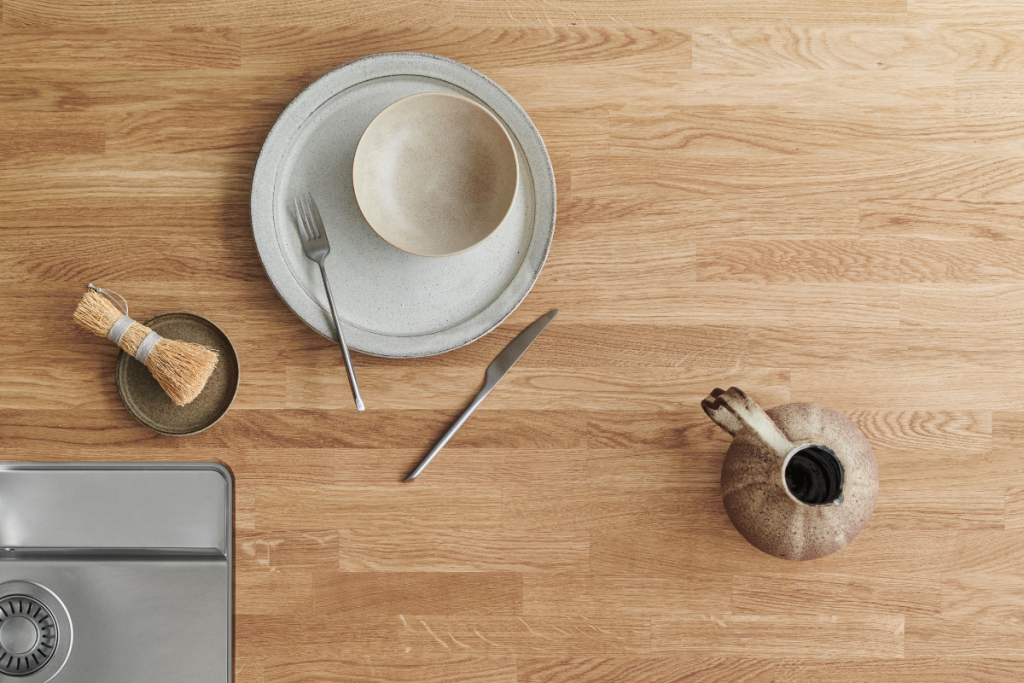
Wood countertops bring warmth and natural charm into the kitchen. They are especially popular in homes that blend modern and rustic elements or aim to create a cozy, welcoming feel. A wood kitchen countertop can be crafted from oak, walnut, teak, maple, or other hardwoods, each offering unique grain patterns and tones. The soothing visual appeal and soft texture make wood a favorite for homeowners who want a tactile and inviting surface.
A key advantage of wood as a kitchen countertop is that it can be sanded and refinished, allowing the material to age gracefully. This gives homeowners the flexibility to restore the surface after years of use. Regular oiling helps maintain the finish and protects the wood from moisture. While wood may require more care than stone or quartz, many people appreciate the natural beauty it adds to their kitchen. Its ability to develop character over time makes it a statement piece in any home design.
Laminate Kitchen Countertops as an Affordable and Stylish Choice
Laminate has improved significantly in quality, design variety, and durability. For homeowners who want an economical solution without compromising style, a laminate kitchen countertop is often the right choice. Modern laminate can mimic natural stone, concrete, or even wood, allowing many creative design possibilities. It is lightweight, easy to install, and suitable for homeowners working within a budget.
This material also provides resistance to stains and general wear, making it convenient for everyday cooking. While laminate may not perform as well as stone or quartz against heat or impact, its affordability and growing design versatility make it appealing, especially for first-time homeowners or those updating an older space. Laminate works well when paired with sleek kitchen cabinets in both small and large layouts.
Stainless Steel Kitchen Countertops for a Sleek, Professional Look
Stainless steel has long been associated with professional kitchens, and it is now gaining popularity in residential homes. As a kitchen countertop, stainless steel offers exceptional durability and hygiene. Its nonporous surface does not absorb liquids, making it an excellent option for food preparation areas. Homeowners who enjoy a contemporary or industrial design style often gravitate toward this material due to its distinctive appearance.
Stainless steel remains resistant to heat, stains, and bacteria, supporting daily use with minimal maintenance. While scratches may develop over time, many homeowners embrace them as part of the material’s natural aging process. This type of kitchen countertop pairs well with modern elements such as matte black fixtures, minimalist cabinetry, and open shelving. It is especially suitable for kitchens designed around function and cleanliness.
Concrete Kitchen Countertops for Customizable and Modern Appeal
Concrete countertops allow homeowners to achieve a modern and highly customizable aesthetic. As a kitchen countertop, concrete can be cast in almost any shape, size, or thickness, making it one of the most flexible options for creative kitchen design. It can be tinted, textured, or polished for a unique finish that complements the architecture of the home.
Although concrete is durable, it is porous by nature and requires sealing to protect against stains and moisture. With proper care, a concrete kitchen countertop becomes a distinctive focal point in both contemporary and industrial-style interiors. Homeowners who appreciate handcrafted details and one-of-a-kind features often enjoy what concrete brings to their kitchen environment.
Choosing the Right Kitchen Countertop for Your Lifestyle
Selecting the right kitchen countertop goes beyond appearance. It requires considering how you cook, clean, and use the space daily. Some materials offer exceptional durability, while others prioritize aesthetics, warmth, or ease of maintenance. Before making a decision, homeowners often evaluate the following factors in a short mental checklist.
Budget is always a major influence, as natural stone and quartz tend to cost more than laminate or wood. Maintenance levels also vary, with quartz requiring minimal care while marble or wood needs regular attention. Your kitchen style matters as well, because countertops should complement the color and structure of your kitchen cabinets. Practical habits also guide the choice. For example, if you cook frequently or handle hot cookware, you might prioritize heat-resistant materials like granite or stainless steel. Each lifestyle detail contributes to the decision-making process, helping you choose a surface that will serve your home for years.
Finding the Best Kitchen Countertop for Your Home
Your kitchen countertop plays a central role in shaping the beauty and functionality of your kitchen. Whether you prefer natural stone, engineered quartz, wood, laminate, stainless steel, or concrete, each material offers advantages that suit different lifestyles and design preferences. Exploring these options helps you identify what aligns best with your daily routine, long-term expectations, and budget. As you prepare to upgrade your kitchen counter, remember that the right choice brings together durability, style, and ease of maintenance. A thoughtful selection ensures your kitchen becomes both a practical workspace and a place you enjoy for years to come.