

Designing a new kitchen should be exciting. It is the heart of the home, a place for cooking, gathering, and everyday living. Yet many homeowners discover too late that small decisions made during the planning stage can lead to long-term frustration. These issues often stem from common kitchen planning mistakes that are easy to overlook without proper guidance.
From poor layouts to inadequate storage, mistakes can affect functionality, comfort, and even property value. This article explores the most frequent mistakes and explains how to avoid them, so you can create a space that is practical, stylish, and built to last.
Kitchen planning mistakes caused by poor layout decisions
One of the most frequent kitchen planning mistakes is choosing a layout that does not suit how you actually use the space. A kitchen may look beautiful, but still feel awkward if movement between key areas is inefficient.
Many homeowners ignore the classic work triangle principle, which focuses on the relationship between the sink, stove, and refrigerator. When these elements are too far apart or blocked by obstacles, everyday cooking becomes tiring.
To avoid this mistake, consider the following
- Observe how you cook and move in your current kitchen
- Choose a layout that supports natural flow and clear pathways
- Ensure enough clearance for cabinet doors and appliances
Thoughtful planning is key to preventing mistakes that could impact daily comfort, regardless of whether you choose an L-shaped, U-shaped, or island kitchen layout.
Kitchen planning mistakes related to insufficient storage
Another major category of kitchen planning mistakes involves underestimating storage needs. A lack of storage quickly leads to cluttered countertops and disorganized drawers.
Modern kitchens require space for cookware, appliances, dry goods, and waste sorting. Choosing the right kitchen cabinets is essential for balancing style and function. Shallow drawers, tall cabinets, and smart corner solutions can dramatically improve usability.
Avoid this mistake by planning storage early and realistically. Think beyond current needs and consider how your household may change over time. Well-designed cabinets allow everything to have a place, reducing visual noise and improving efficiency.
Kitchen planning mistakes when lighting is overlooked
Lighting is often treated as an afterthought, making it one of the most underestimated mistakes. Relying on a single ceiling light creates shadows and makes tasks like chopping or cleaning harder than necessary.
A functional kitchen needs layered lighting. This includes general lighting, task lighting, and ambient accents. Under-cabinet lights, pendant lamps over islands, and integrated LED solutions all contribute to a better experience.
By planning lighting alongside layout and storage, you avoid mistakes that affect both safety and atmosphere. Proper lighting also enhances materials and finishes, making the entire space feel more inviting.
Kitchen planning mistakes in material and finish selection
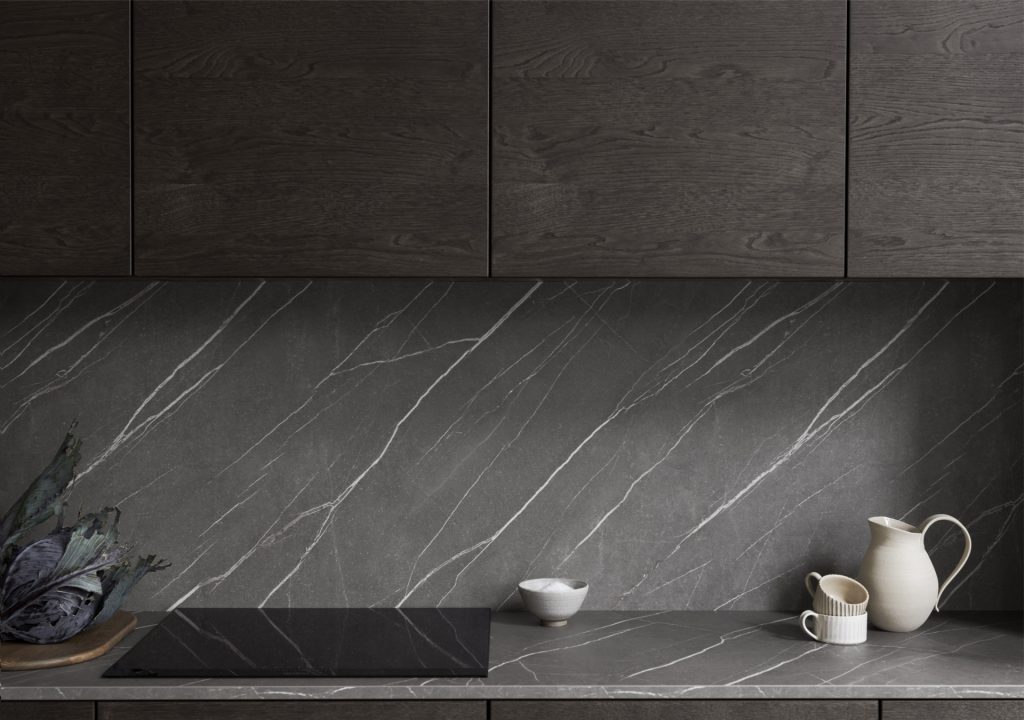
Choosing materials based solely on appearance is another common mistake. While aesthetics matter, kitchens are high-use environments where durability is crucial.
Surfaces must withstand heat, moisture, and frequent cleaning. Flooring should be slip-resistant and easy to maintain. Cabinet finishes should handle daily wear without losing their appeal.
When inspired by a Danish kitchen, you will notice a strong focus on quality materials, timeless design, and practical beauty. This balance helps avoid kitchen planning mistakes that lead to premature wear or constant maintenance issues.
Kitchen planning mistakes involving appliances and technology
Appliances play a central role in kitchen functionality, yet poor planning around them leads to many kitchen planning mistakes. Common issues include appliances that do not fit properly, doors that collide, or insufficient power outlets.
To avoid these problems, appliances should be selected early in the design process. Dimensions, ventilation requirements, and usage patterns all matter. Integrated appliances can create a cleaner look, but they still require precise planning.
Modern kitchens also benefit from smart technology, but only when it is thoughtfully integrated. To ensure convenience and avoid expensive revisions, it’s essential to plan your kitchen design meticulously beforehand.
Kitchen planning mistakes caused by ignoring workflow and ergonomics
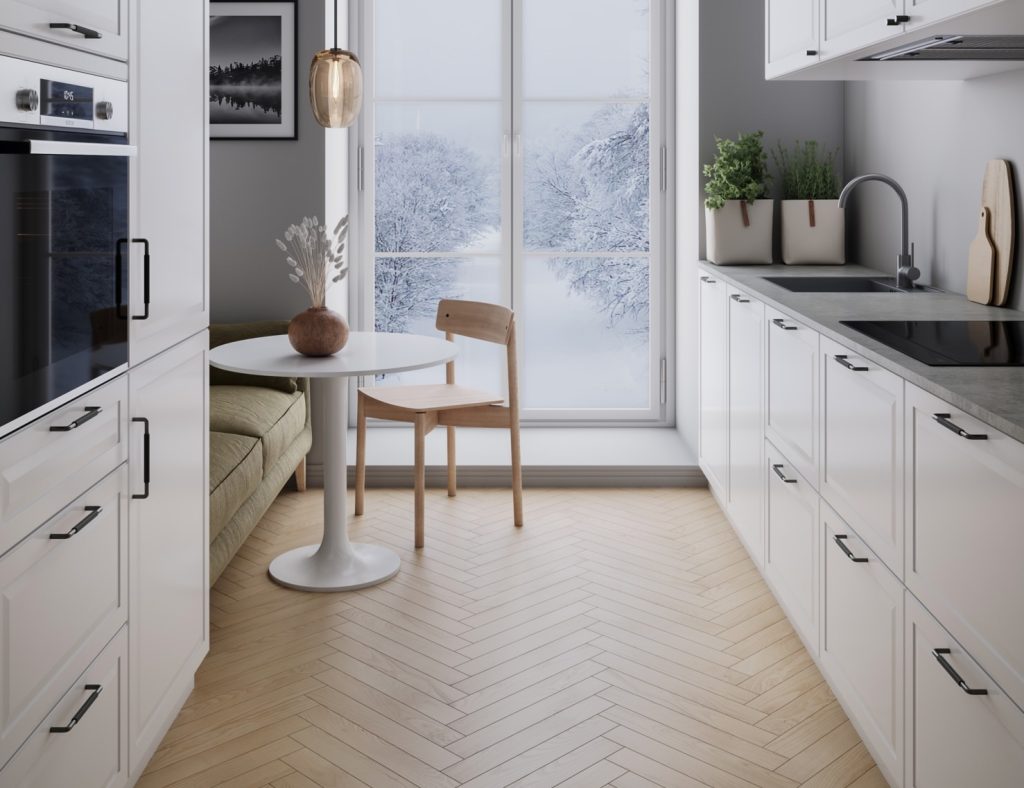
Ergonomics is often overlooked, making it subtle but impactful. Countertop heights, cabinet depths, and appliance placement should support comfort and reduce strain.
For example, placing frequently used items too high or too low leads to unnecessary bending and reaching. Narrow walkways can cause congestion, especially in households with multiple cooks.
Studying contemporary kitchen design ideas can inspire ergonomic solutions that combine comfort with modern aesthetics. A well-planned workflow ensures the kitchen supports your lifestyle rather than working against it.
Kitchen planning mistakes linked to budget mismanagement
Budget-related kitchen planning mistakes are among the most stressful. Spending too much on decorative features can leave insufficient funds for essentials like quality cabinets or installation.
A realistic budget should include
- Core elements such as cabinetry, appliances, and worktops
- Installation and labor costs
- A contingency fund for unexpected expenses
By prioritizing long-term value over short-term trends, you avoid kitchen planning mistakes that result in compromises or unfinished projects.
Kitchen planning mistakes that ignore professional guidance
Attempting to plan a kitchen without expert input is a final but significant kitchen planning mistake. Professionals bring experience, technical knowledge, and problem-solving skills that are difficult to replicate alone.
Working with specialists helps you explore layout options, storage solutions, and material choices you may not have considered. Visiting a trusted kitchen showroom also allows you to see and feel products before making decisions.
Expert advice ensures your kitchen is not only beautiful but also functional and compliant with technical requirements.
Building a Kitchen Plan That Delivers Long-Term Value
Kitchen renovations are major investments, and a great kitchen plan can make the difference between a space you love and one you regret. From layout and storage to lighting, materials, and budgeting, each decision plays a vital role in the outcome.
By planning carefully, seeking inspiration, and working with professionals, you can create a kitchen that meets your needs today and adapts to the future. Thoughtful design minimizes mistakes and results in a space that is practical, comfortable, and timeless.